Born at Poston, Marlene Shigekawa brings camp history to Lake Havasu Oct. 14
Marlene Shigekawa brings Poston history to Mohave College in Lake Havasu on Oct. 14. The free evening includes a short film and audience questions.

Marlene Shigekawa, who was born in the Poston incarceration camp during World War II, will bring that history to Lake Havasu City on Wednesday, Oct. 14, in a free public program combining a lecture, short film and audience questions.
Mohave College’s announcement lists the presentation, “Poston Live: Remembering the Poston Internment Camp,” at 5:30 p.m. in building 600 of its Lake Havasu City campus, 1977 Acoma Blvd. W. Doors open at 5 p.m.
The evening includes a screening of Blue Jay and a question-and-answer session. It opens the college’s three-part Stories of the Southwest lecture series.
Shigekawa’s connection to Poston began in infancy. In a 2020 interview with the Asian American Curriculum Project, she said she was born there in October 1944 and that her family left in September 1945, returning to Anaheim, California.
She described learning the meaning of her family’s incarceration years later, when her brother asked their mother about the camps. Shigekawa said she became involved in preserving Poston in 2003, through a planning session involving Japanese American community members and the Colorado River Indian Tribes.
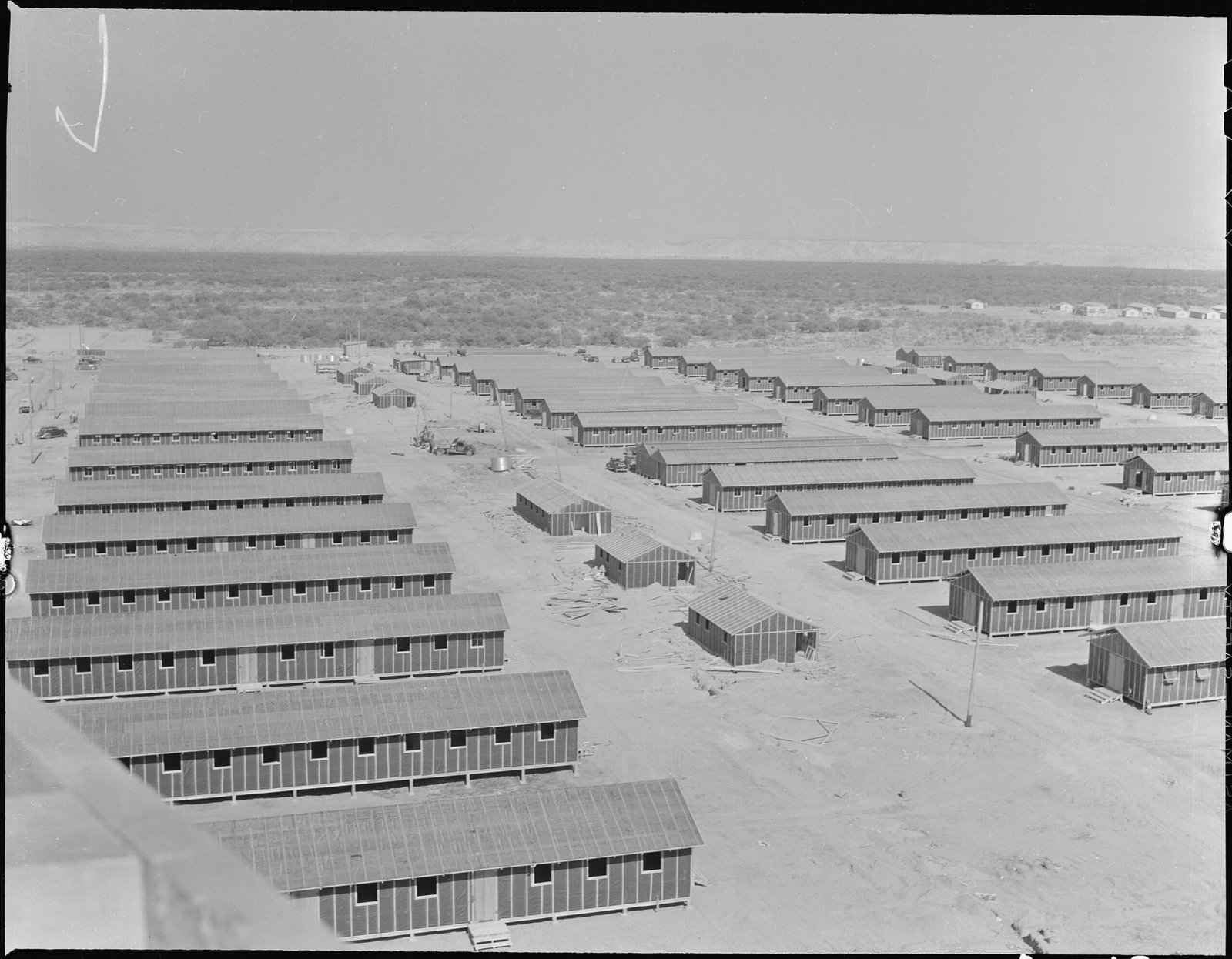
That history remains visible in western Arizona. The National Park Service identifies Poston’s surviving elementary-school complex on the Colorado River Indian Tribes Reservation near Parker as a National Historic Landmark. The agency describes Poston as the only wartime relocation center built within an American Indian reservation.
The school offers a record of how incarcerated families tried to continue their children’s education. According to the Park Service, it initially lacked basic supplies and winter heat. Japanese American children attended its schools until the camp closed in 1945. The Colorado River Indian Tribes and local school district later used the elementary-school buildings as a community center.
The college’s series continues Nov. 9 with a presentation on Tohono O’odham history and culture and Nov. 18 with a regional water discussion. For information about the Oct. 14 program or the series, the college lists Dr. Jenna Lowder at JLowder@mohave.edu or 928-505-3300.
Have information about this story?
Contact the newsroom →